
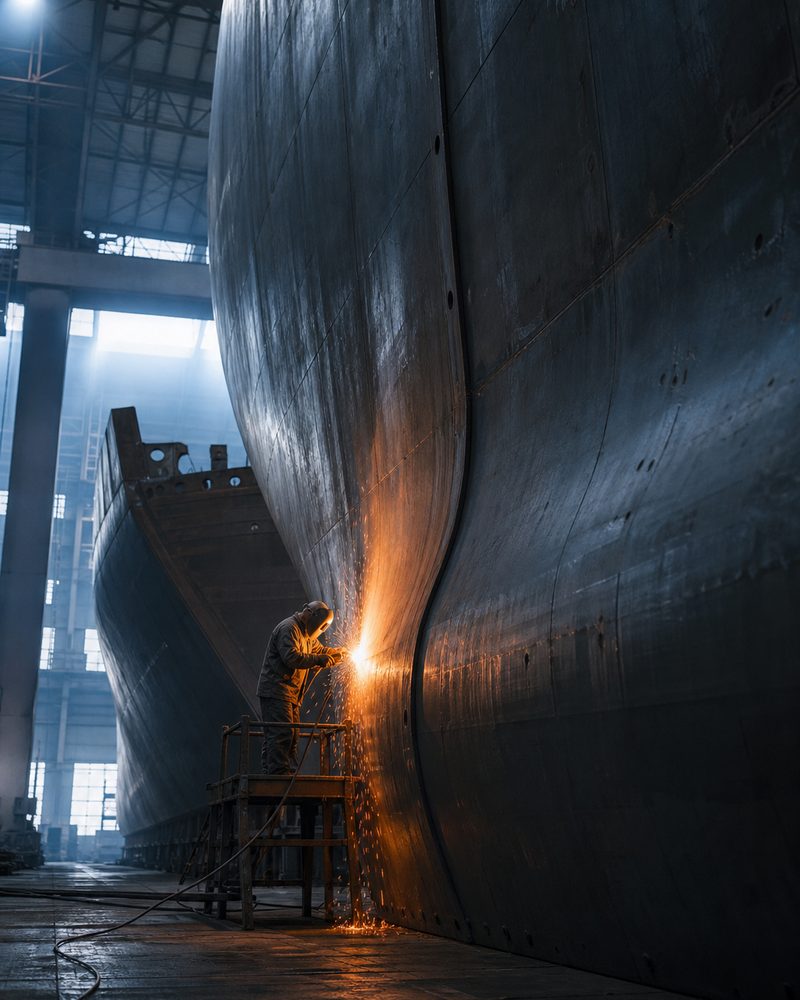
Shipbuilding and offshore
Thick plate, long welds, continuous operation
Heavy plate sections and structural work suit heavy-duty GMAW models such as CPVE / CPVF combined with the D-Arc deep penetration thick-plate welding system.
SOLUTIONS
The same workpiece can call for a different machine once thickness and cycle time change. Below are the industry conditions we see most often, with the equipment direction for each.
Thick plate, long welds, continuous operation
Heavy plate sections and structural work suit heavy-duty GMAW models such as CPVE / CPVF combined with the D-Arc deep penetration thick-plate welding system.
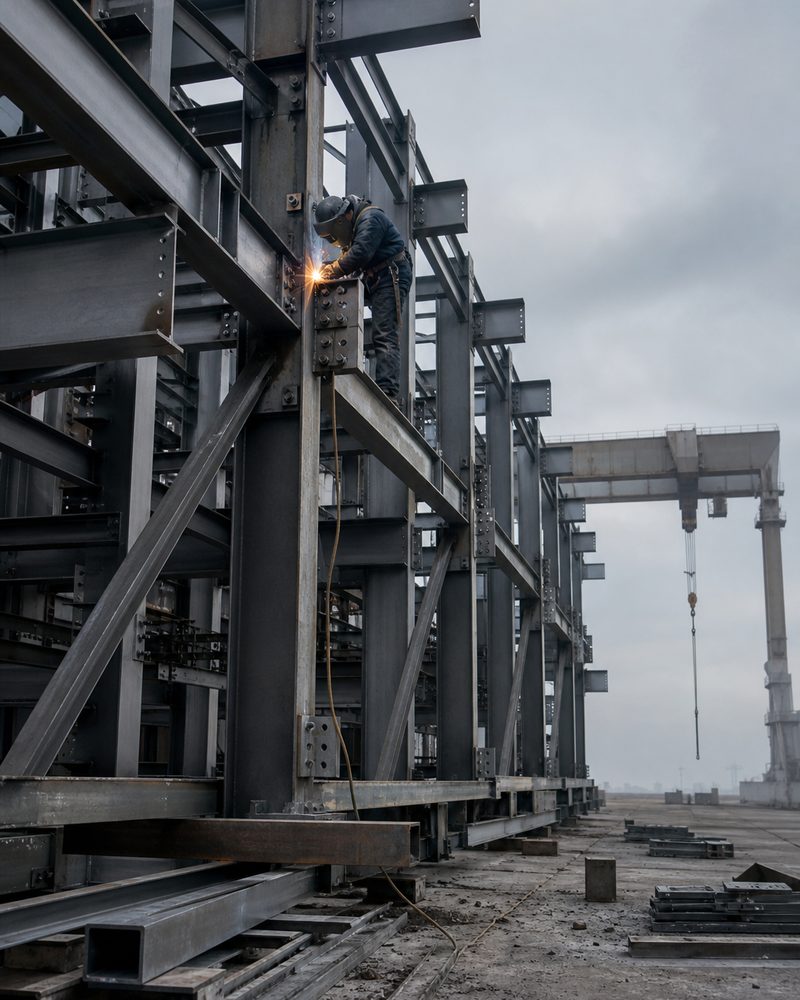
Many sizes, site work
Many component sizes and a high share of site work pair full-digital inverter GMAW machines with MMA machines for shop and site.
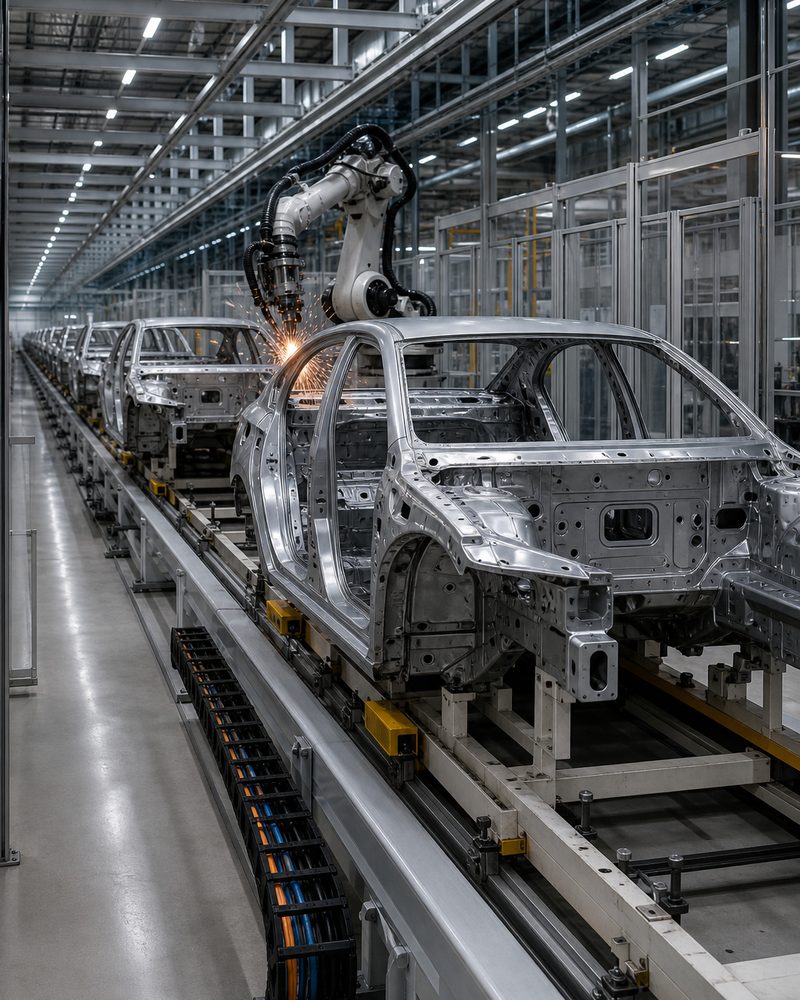
Thin plate, visible parts, low spatter
With more thin plate and visible parts, spatter and bead appearance matter — low-spatter and pulse models such as WE M350L and WE P400L / P500L fit here.
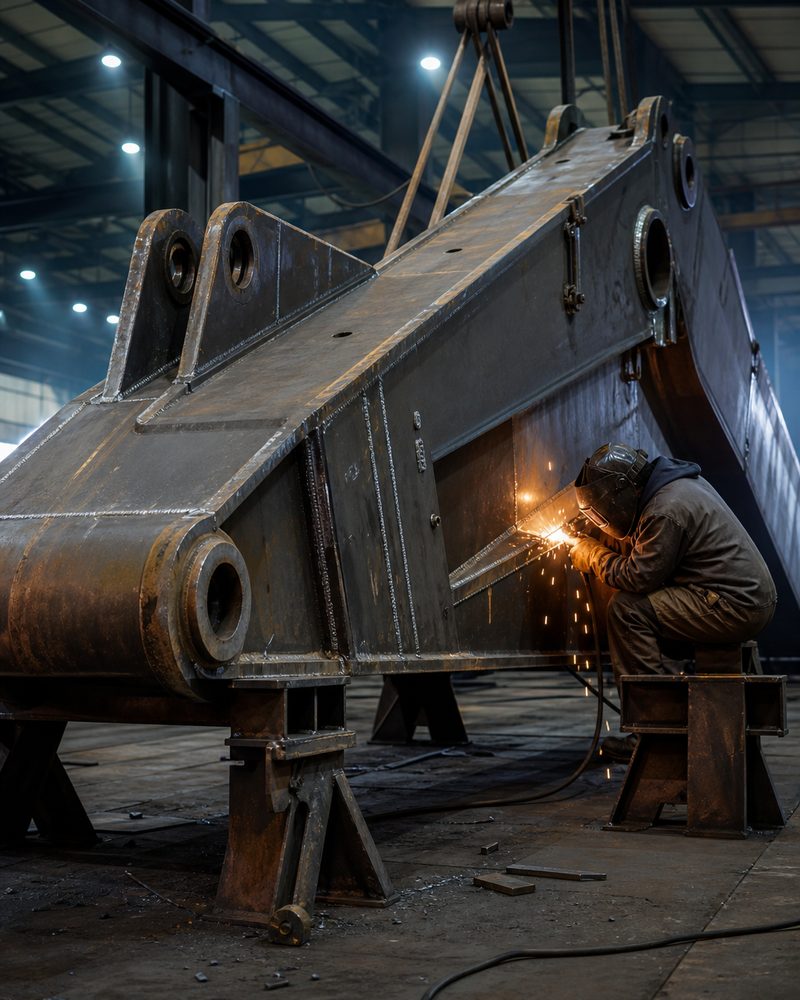
Medium-thick plate, cycle time
Medium-thick plate structures where strength and cycle time both count suit high-speed GMAW models and robotic welding cells.
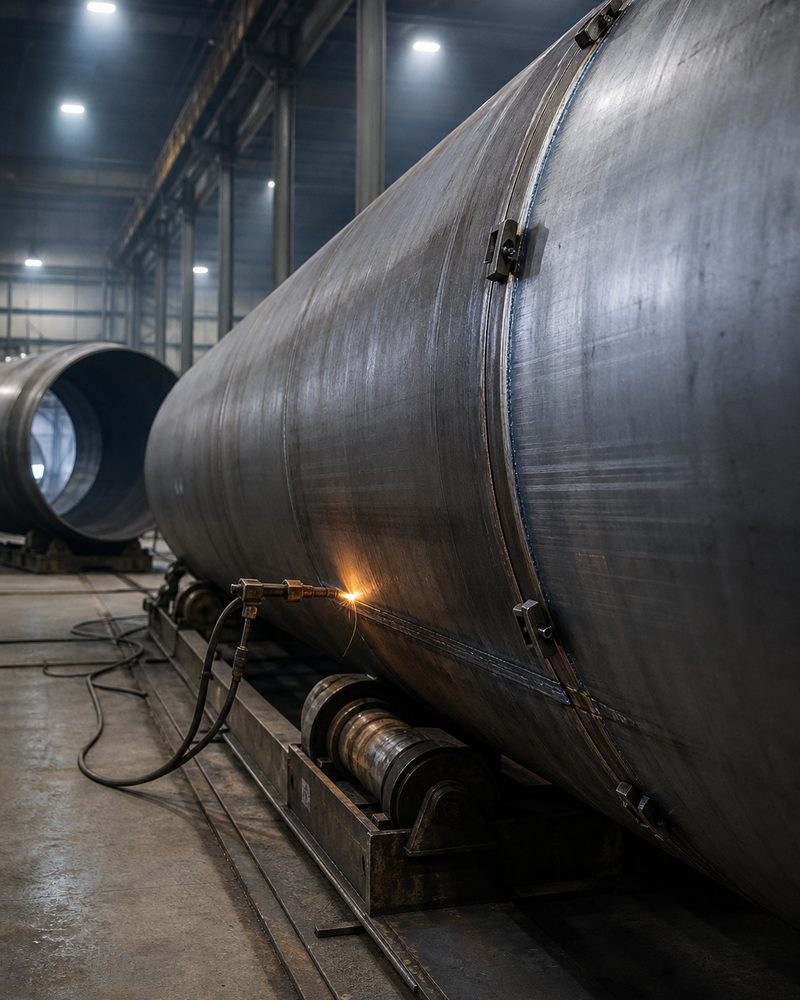
Joint quality, traceability
High joint-quality requirements suit AC/DC pulse TIG, DC pulse TIG and full-digital GMAW models, with locked-in process parameters.
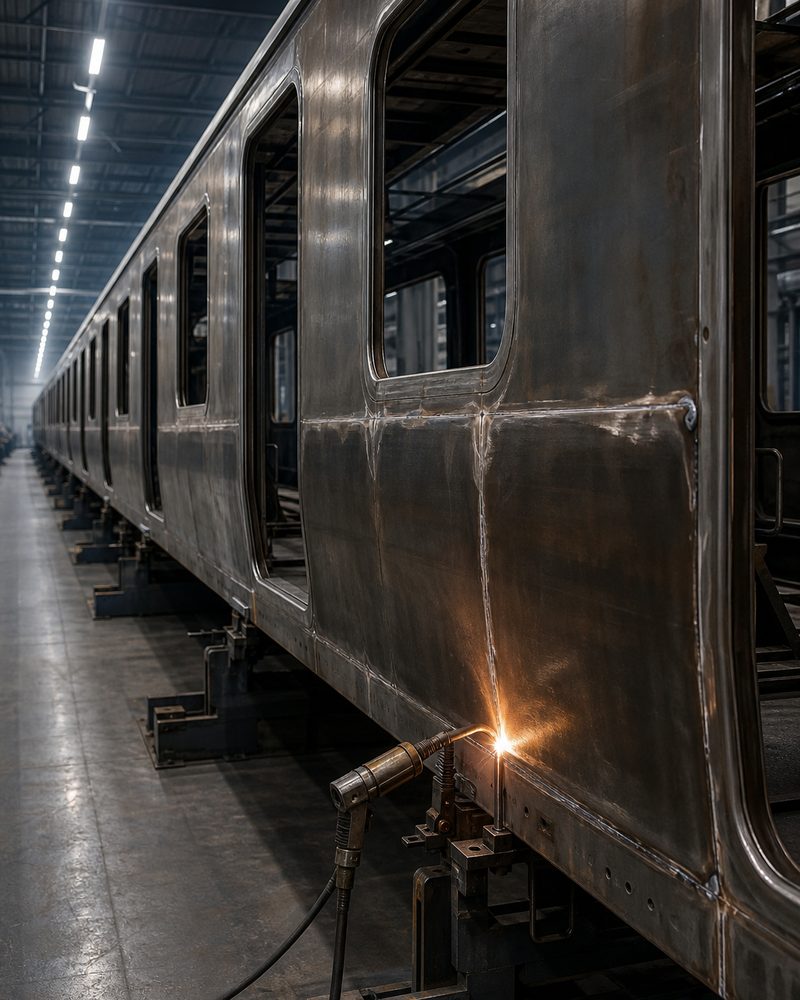
Batch volume, consistency
Stable batch production is best served by robotic welding cells combined with positioners for consistency and line production.
Where cutting feeds welding directly, air plasma cutting machines pair naturally with GMAW welders.
Variable power and position suit portable TIG / MMA dual-purpose machines and multi-function DC welders.
These are equipment directions based on industry conditions. The final model is confirmed against drawings, material, plate thickness and cycle time.
Share material, plate thickness, joint type and production rate, and we will recommend a machine and starting parameters.